Blog / Crown Ford Inc Service

Blog

All Crown Ford Inc Service Lynbrook New York Crown Ford Lynbrook 2024 Ford Oceanside Ford Dealer Local Area 2023 Food & Drink Bronco Sport Edge Expedition F-150 101 2022 Ford 2025 Ford Brake Repair Bronco Engine Repair Escape Explorer F-150 Lightning Headlight Repair Mustang Oil Change Points of Interest Radiator Repair Summer Activities Tire Replacement Tire Rotations 2022 Alternator Repair Auto Financing Battery Repair/Replacement Breakfast Places Burger Joints Day Trips EcoSport Family Activities Family Restaurants Ford Bronco Sport Ford Expedition Ford Explorer Ford F-150 Ford Mustang Ford Ranger Ford Warranty Ice Cream/Frozen Yogurt Mexican Food Mustang Mach-E Pizza Joints State Parks Transmission Repair Trim Levels
Ford Tire Service in Lynbrook, NY - Crown Ford Inc

Ford Tire Care: Ensuring Safety and Longevity

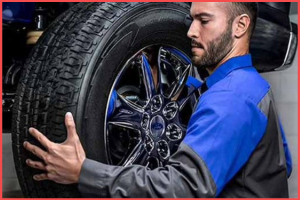
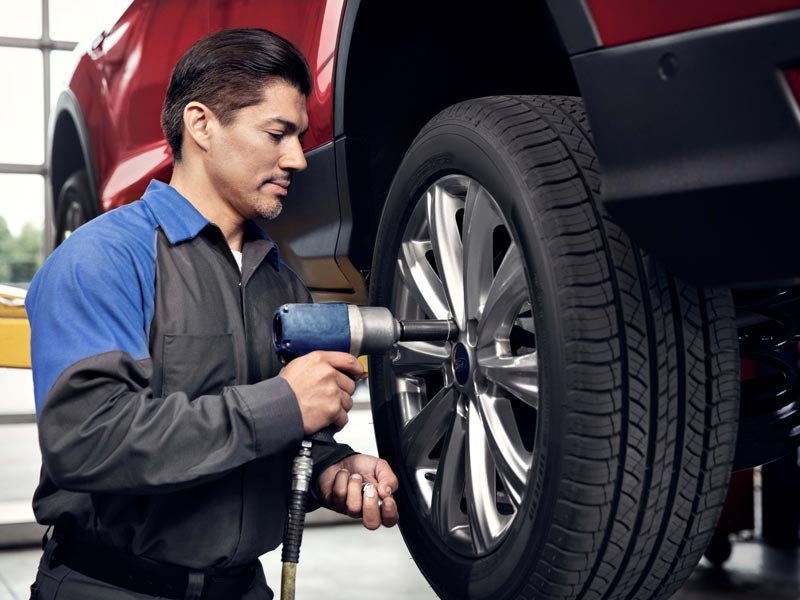
As the only part of your car in direct contact with the road, your tires are under a great deal of pressure. As such, it's vital to keep them in excellent shape with the Ford tire maintenance guidelines outlined below. With a few routine inspections and services, your tires will last far longer, and you'll also remain much safer on the road. more Check Air Pressure Monthly Tires should never be allowed to become over or under-inflated, which can cause them to lose traction, overheat, or even blow out. At least once a month, use a pressure gauge to check the PSI inside each tire. If the PSI isn't at the exact figure recommended in your owner's manual, release or add air as required. Inspect Your Tires for Damage When checking air pressure, also examine each tire for signs of excessive wear or damage. If you notice any strange bulges, cuts, or embedded objects, have the tire inspected by a trusted technician. Excessive cracks or uneven tire wear could also be a problem. Rotate Your Tires Twice a Year The best solution for uneven wear is to have our tires rotated every six months. During a rotation, our technicians will swap around the tires and also check each one for indications of excessive wear or damage. Check and Correct Tire Alignment Car tires also tend to become misaligned over time, as bumps over potholes gradually push suspension components out of position. So each time you have your tires rotated, it's advisable to have the alignment measured too. If your tires are found to be misaligned, they can be set straight again; the alignment procedure typically takes less than an hour. Balance Your Wheels Too Tires frequently need to be balanced for optimal performance and longevity. Here, the technician uses a specialist weighing machine to find any slightly heavier spots in the tire and then balances things out with carefully applied weights. Have the balance of your tires checked twice a year and rebalanced whenever required. Schedule Professional Ford Tire Maintenance Today While air pressure checks are easy enough to conduct at home, most tire maintenance tasks require specialist tools and know-how. If you arrange a convenient tire servicing schedule with us, we'll courteously remind you whenever it's time for a rotation, alignment, or balancing check. We can also promptly replace worn-out tires. Visit Crown Ford Inc in Lynbrook, NY, today to have your tires and driving returned to full strength, smoothness, and safety. We put customer safety and satisfaction first and foremost in all that we do.
Ford EcoBoost Engine Care: How to Maintain Your Ford's Power and Efficiency

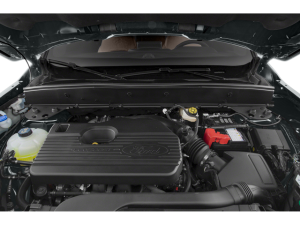
One of the most special features of your Ford vehicle is its signature Ford EcoBoost engine. This turbocharged engine is specially designed to optimize the fuel efficiency of your vehicle and improve fuel economy, which is a priority for many modern drivers. Learn when to visit your Ford dealer to keep your engine in good condition. Like any other engine, your EcoBoost engine relies on regular oil changes to protect the engine from excessive heat, friction, and contaminants that can damage parts. It's a good idea to schedule an oil change for your Ford every 5,000 to 7,500 miles, which is usually twice a year for most drivers. If you drive your vehicle in heavy traffic, you may need an oil change more often. more Ford engines typically use synthetic motor oil. Synthetic engine oil is formulated to be more resistant to heat, which means the oil won't degrade as quickly and that your engine will be protected from heat. Some synthetic oil can help improve the fuel economy of your engine, as well. If you aren't sure which engine oil is best for your Ford model, check your owner's manual. Key Engine Services Along with routine oil changes, a Ford mechanic can also perform engine services that enhance the performance of your engine. Cleaning the fuel injection system can maintain your vehicle's incredible fuel economy, while replacing air filters will ensure the engine is getting enough clean air. Engine components such as the turbocharger and spark plugs should also be regularly maintained if you want to preserve the performance of your Ford. Ask Your Ford Dealer: Do You Need an Engine Diagnostic? Even when you do everything right by keeping up with your vehicle's routine service appointments, there may be times when your vehicle encounters performance issues. If you notice your engine is slow to start or you need to fuel up more frequently than usual, an engine diagnostic text can be used to pinpoint problems affecting your vehicle's performance. Diagnostic tests usually take an hour and repairs are often done on the same day. The cornerstone of your Ford's impeccable performance is the EcoBoost engine beneath your hood. From small Ford models to the most powerful workhorse trucks, this eco-friendly engine boasts plenty of power and has excellent fuel efficiency estimates. Book engine service at Crown Ford Inc. in Lynbrook, NY.

The Essential Ford Maintenance Schedule Performed at Your Ford Dealer: What You Need To Know

It is important to follow the recommended Ford maintenance schedule and have your vehicle serviced at your Ford dealer, where we have the diagnostic tools and certified mechanics who know your vehicle best. Importance of Scheduled Maintenance Your Ford vehicle's scheduled maintenance is spread out every 10,000 miles until you reach 40,000, then every 20,000 miles until you reach 100,000 miles. These maintenance services are critical in keeping your vehicle running as if it's new off the dealer's lot. more 10,000 Miles At the 10,000-mile service, your tires will be inspected and rotated to promote even wear. Your vehicle will receive a complete oil change with an oil filter change, and the cooling system and hoses will be inspected. The exhaust system and heat shields will be examined. The transmission fluid levels will be checked. The brake parts will be inspected for corrosion or lack of surfacing. The steering, suspension joints, and linkage will all be lubricated. At every scheduled maintenance service appointment, your vehicle will also undergo a multi-point inspection, which covers the vehicle overall. 20,000 Miles In addition to the regularly scheduled maintenance, they will also replace the cabin air filter so you are breathing fresh air inside your vehicle. 30,000 Miles In addition to the regularly scheduled maintenance, you will receive a fuel filter change and an engine air filter change. Engine belts and hoses will be examined for loose fits and material integrity. 40,000 Miles In addition to the regularly scheduled maintenance, they will replace the cabin air filter. 60,000 Miles In addition to the regularly scheduled maintenance, your brakes will be replaced, the brake fluid will be checked, and the battery will be tested. The transmission and coolant fluid levels will be topped off or replaced. 90,000 Miles In addition to the regularly scheduled maintenance, they will inspect the timing belt, spark plugs, and the power steering fluid and hoses. 100,000 Miles In addition to the regularly scheduled maintenance, they will inspect your drive belt and examine the front axle lubricant levels. All the fluids will be checked and topped off or replaced as needed. The coolant will be exchanged for a more robust supply. The undercarriage parts, joints, and shafts are inspected and lubricated. Contact Crown Ford, Inc. in Lynbrook, NY, and schedule your next maintenance appointment now.

3 Signs You Need a Radiator Repair at Your Ford Dealer

Combustion generates huge amounts of heat, and sustained high temperatures can damage your engine. Your Ford has a very efficient cooling system to solve this problem, and the capstone of the system is the radiator. It's responsible for removing heat and maintaining a safe engine temperature. If your radiator is damaged, your Ford dealer can fix it for you. These are some signs that you need a radiator repair. Damaged Radiator Tubes The front of the radiator is comprised of rows of thin aluminum tubes. Engine heat is captured by coolant that's pumped through the engine. The coolant then passes into the radiator and enters the tubes, where the heat is removed by air flowing in through the grille. The numerous tubes provide a large area to speed up the heat exchanger process. more These tubes are very light and easily damaged. Hard substances like sand and grit can blow in through the grill and dent them. A dented tube will block the inflow of coolant, and as more tubes are damaged, the radiator's cooling ability will be severely restricted. Lack of cooling due to the damaged tubes can cause your engine to overheat. We can fix this problem by removing the damaged radiator and installing a new one. Coolant Leaks Liquid coolant is vital for the cooling system as it's the only means to transport heat to the radiator for removal. This coolant moves through your engine at high speed, which means any damage to part of the cooling system can result in a coolant leak. Damage to the head gasket, the seal between the upper and lower engine sections, can cause coolant to leak into your exhaust. Coolant is available in bright colors like pink, orange, yellow, and blue, which helps to easily identify a coolant leak. If you notice a leak, we advise contacting us ASAP. Driving with a low coolant level can cause your engine to rapidly overheat. Our technicians will trace and seal the leak, then we'll refill your coolant. Engine Temperature Gauge When you start your engine, the temperature g​​​​​​​​​​​​​​​​auge will rise, and the indicator should hover near the center of the gauge. This happens because the cooling system activates when your engine temperature rises over 180 F. As you're driving, you may notice the gauge rises sharply when you accelerate or if you're towing a heavy load, but it will drop again as the cooling system speeds up to reduce the temperature again. If you see that your temperature is rising steadily for no apparent reason, your radiator could have failed. We'll examine your cooling system to identify the problem and then fix it. We can easily and quickly fix any radiator problem. Call us today at Crown Ford Inc.

Does Your Ford Need an Alternator Repair?

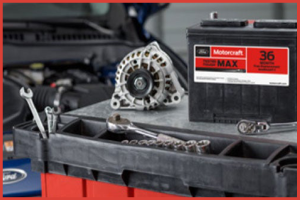
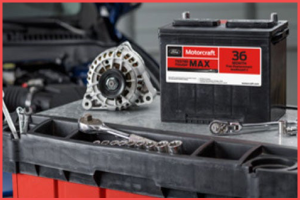
When it comes to your car's electronics, the only component more important than the battery is the alternator. While you're driving, the alternator generates the voltage that keeps the battery and every electronic accessory functioning. If you ever notice the following signs of alternator trouble, head to your local Ford dealer right away for alternator repair. Flickering Headlights When an alternator begins to fail, the voltage it delivers often becomes erratic, suddenly rising and falling in power. This can cause your headlights to dim one minute and then brighten the next, or even start flickering more rapidly. more Faltering Electronics With a dying alternator, your car's other electronics will also begin to misbehave. Your instrument panel's dials may malfunction. Your stereo, air conditioner, power windows, and phone charger may fade in strength. Modern cars often have a prioritization system installed, which keeps more important electronic components working for longer in the event of a failure in the electrical supply. This means your stereo and phone charger are likely to fail before your headlights and dashboard dials. Dead Car Battery While the engine's running, the alternator uses the engine's electrical power to generate voltage and recharge the battery. Then, when the engine's turned off, the storage of electricity in the battery can be used to operate various electrical features and also start your car. If your battery is dead one morning, it may mean that a bad alternator failed to recharge it during your last drive. One way to test this is to jump-start your car, after which a healthy alternator will kick into action and keep the engine running. If your alternator is faulty, the engine will die again soon after a jump-start. Growling Sounds The serpentine belt is used to transfer power from the engine's crankshaft to the alternator. This tough rubber belt can occasionally loosen or slip out of place. When this happens, you may hear strange growling or whining sounds from the engine compartment. Burning Rubber Smell A loosened serpentine belt may also start to burn because of the extra friction, in which case, you may smell a burning rubber smell inside the cabin. It's also possible for wires to fray inside a malfunctioning alternator, which might also create a burning rubber smell. Have Your Ford Dealer Test Your Electronics Twice a Year It's a good idea to have a qualified technician check your car's electronics, including the alternator, at least twice a year. With this kind of preventative maintenance, you're far more likely to catch problems in the alternator, battery, wiring, or any of your car's other electronic systems early on and avoid getting into a difficult situation because of a sudden fault on the road. Have your alternator inspected and repaired today at Crown Ford Lynbrook. As one of the region's premium dealerships, we offer a top-notch range of new and pre-owned Ford vehicles, excellent vehicle maintenance services, and personalized customer service.

10 Engine Problems You Should Always Fix at Your Ford Dealership

When your Ford starts having engine problems, you have to take care of it right away. Given how complex your engine is, these issues should always be addressed at your Ford dealership. 1. Overheating An overheating engine can cause a lot of damage. Overheating can spring from a malfunctioning thermostat, cooling system leaks, radiator issues, or water pump failure. Overlooking this issue can lead to engine warping or more severe damage. more 2. Starting Problems If your engine won't start, faulty spark plugs, a clogged fuel filter, a malfunctioning fuel pump, or problems with the battery might be to blame. Even if you can coax your vehicle to start, you should head to the dealership to determine the cause. 3. Unusual Engine Noises Any new or unusual noises from the engine, like squealing, knocking, or thumping, can signal serious problems. These sounds may point to issues with your belts, bearings, or other engine components. 4. Exhaust Smoke Smoke from your exhaust is not normal, but different colors of smoke point to different causes. White exhaust smoke might indicate a coolant leak into the engine. Black smoke often suggests an imbalance in the air-to-fuel ratio. This could be due to a clogged air filter, a leaking fuel injector, or a faulty fuel pressure regulator. Blue smoke may mean oil is burning in your engine. 5. Check Engine Light If the check engine light comes on, it could signal anything from minor issues to serious damage. A diagnostic check at the dealership can determine the cause and let you know which repairs are necessary. 6. Loss of Power If you put your foot down on the accelerator but you don't speed up, your engine is losing power. A noticeable loss of engine power can occur due to anything from problems with the fuel system, clogged filters, or worn-out spark plugs. 7. Rough Idling If the engine runs roughly or stalls at idle, you may have anything from dirty fuel injectors to a faulty idle air control valve. There may also be issues with the computerized engine control system. 8. Fluid Leaks Oil, coolant, or other fluid leaks can lead to engine damage if you don't take care of them. Leaks can result from gasket failures, hose breaks, or general wear and tear. 9. Engine Misfiring If you notice sporadic stuttering or loss of power, it may be caused by your engine misfiring. A misfiring engine can be due to ignition problems, fuel system issues, or internal engine damage. 10. Poor Fuel Economy A sudden decrease in fuel economy can indicate trouble with your engine. Possible causes include sensor malfunctions or exhaust system issues. Engine trouble should always be repaired quickly by professionals to maintain your Ford's performance. If your car is giving you problems, visit Crown Ford right away to get expert assistance with your engine.

How Often Should You Visit Your Ford Dealer for an Oil Change?

Do you remember how long it's been since your last oil change? If not, then you're probably due for one soon. You can get this service done at your local Ford dealer, and there are many other forms of routine maintenance you should get regularly, too. Today, most Ford models need their oil replaced every 7,500 miles. This typically equates to every six months. If you haven't driven 7,500 miles in the last six months, then you should visit the dealer for an oil replacement anyway. Oil shouldn't be left sitting around in your engine for too long. Your Ford may even let you know it's time to change the oil sooner than expected, as modern Ford cars have oil life monitors built-in. more This 7,500-mile recommendation is based on what the majority of modern Ford vehicles require. Older models typically need their oil replaced more often, and some Fords need their oil replaced less frequently. Checking your owner's manual and consulting your mechanic will give you information that's specific to your specific Ford model. What Impacts How Often You Need to Change Your Oil? Oil Type There's more than one oil type, and different models use different oils. Full synthetic oil can often last 10,000 miles before it needs to be changed. Conventional oil typically needs to be changed every 5,000 miles. Some oil blends are somewhere in the middle, needing to be changed every 7,500 miles or so. Towing and Cargo Do you tow a lot? If so, then you need to change your motor oil more frequently than someone who doesn't. If you don't frequently tow, but you do carry lots of heavy cargo in your car's trunk or truck's bed, then you'll also need to get your oil replaced more often than someone who doesn't carry heavy loads that often. Road Conditions Driving on tough terrain, such as in the types of conditions you encounter while driving on the trails, can make you need to change your oil more frequently. Driving on loose terrain and dusty roads also makes you need to change out your oil more often than the average driver. What Happens When You Need an Oil Replacement? Motor oil keeps your engine well-lubricated and prevents friction between your engine's moving parts. If you have poor-quality oil cycling through your engine, then you may experience issues such as stalling, overheating, and reduced gas mileage. Your engine will probably get louder, too. Increased engine noise may be the first sign that will show up when you need new oil. Come and get your oil and filter changed at Crown Ford Inc. Our mechanics have vast experience with Ford cars and can help you determine how often your specific model needs its oil replaced.

5 Benefits of Getting a Tire Rotation at Your Ford Dealer

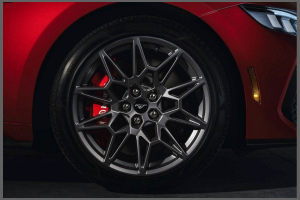
When car tires are allowed to wear down unevenly, it can cause a variety of performance and safety problems. The best weapon against uneven tire wear is regular tire rotation at your local Ford dealership. Let's take a look at the many ways that routine rotation can help you enjoy a smoother, safer, more pleasurable ride. Your Car's Handling Improves As tires become excessively uneven, the wheels become uneven in size. This puts awkward strain on differing sides or corners of your vehicle, which inevitably increases resistance and reduces handling. more Uneven tires can reduce the quality of your steering and cornering. This means the sense of control you have over your car will be diminished. All of this is avoided when routine rotations keep your tires more uniform in size. You Have Less Chance of Blowouts When tires wear down in an unequal way, one or two of them become weaker than the others. Certain of your tires will also start carrying more than their fair share of the car's weight. This overall unevenness can lead to certain tires taking more premature damage and perhaps even blowing out on the road. The most worn-down tires are also more likely to lose traction on a wet puddle and cause a skid. Your Suspension Is Protected When tires become uneven in size, it can put the suspension and other closely connected car parts under inappropriate pressure and strain. This is more likely to lead to suspension faults, requiring servicing or repairs. Because of this, regular rotation keeps both your tires and suspension in better shape for longer. You Hear Less Road Noise When tires become uneven and road resistance increases, you may well hear more road noise when you're driving. This might be accompanied by more vibrations than usual. Rotation can help keep your drives smooth and quiet, as all modern Ford cars should be. You Spend Less Money on Tires Perhaps the most compelling reason to have your tires regularly swapped around is the cost savings. Regular rotation helps each set of four tries last longer, as it delays the day when any one tire becomes too worn down to safely use. If you can add an extra year or two onto the lifespan of each set of tires, then you're saving on your overall tire expenditure. This may add up to a considerable sum over the decade or two that you own your car. Visit Crown Ford Lynbrook today to have your tires rotated. Along with providing excellent new and pre-owned vehicles at competitive prices, we take great pride in the high quality of our customer service and care.

How Often Does Your Ford Need New Headlights?

You decide to take a nice evening drive, but when you switch on the headlights, they start flickering. That's one of several signs that can show up when you need new headlights from your Ford dealer. Let's talk about the signs in depth and see how frequently you should be getting your headlights replaced in general. After five or six years, your car's headlights aren't going to be able to generate as much light as they did when they were new. So, although they may last a few years longer, they should generally be replaced before they're six years old. more Of course, there's no hard and fast rule about how often every single driver is going to need to replace their headlights. If you use your headlights often, then yours may last longer than average and may work very well for more than five or six years. We recommend always monitoring how bright they are so you'll notice when they start to get dimmer. Once they start dimming, it's time to replace them. When You Should Visit the Ford Dealer to Get Your Headlights Replaced When One Stops Working The bulbs in your headlights might not die out at the exact same time. However, both headlights need to be replaced at once. So, if one of the bulbs no longer works, then you'll need to go and get both of them replaced. When They Start Flickering If your headlights flicker even for a moment, then don't delay in getting to the dealer. Some headlights will flicker for a while before they die out, but with others, you'll notice them flickering once, and then they won't turn on the next time you try to activate them. When Your Headlights Start Dimming As we said earlier, your headlights will start dimming after about five or six years. They'll probably start dimming sooner if you drive in low-visibility conditions a lot. You may be able to drive with headlights that are slightly dimmer than they used to be, but you shouldn't. They'll get even dimmer as time goes on and should be replaced before the dimming becomes very significant. When They Get Hazy Headlights should sometimes be replaced when they get hazy. However, not all haziness is caused by your headlights dying. Sometimes hazy because the headlight casing has been damaged by UV light or has become clouded by dirt and debris. Visit the dealer so they can either deep clean the headlight casing or change the bulbs for you, depending on what the problem is. Come to Crown Ford if you're having issues with your headlights. We'll check all your exterior lights for you during routine service also, so make sure you stop by regularly for preventative maintenance and checkups.

Do You Need a New Car Battery From Your Ford Dealer?

It's probably the last thing on your mind when you're on the road, but the minute you notice a decline in your battery or unusual performance by your vehicle when you're starting it, it's time to think about getting a new car battery from your Ford dealer. Here are the signs that your battery may be due for replacement. more Your Engine Is Slow To Crank Your vehicle's battery provides the power that starts your engine, and when its strength begins to diminish, your vehicle will gradually become slower and more difficult to start. If it takes a couple of tries for your engine to catch, or if it's slow to start, that may indicate that your battery should be checked and may need to be replaced. Your Ignition Clicks If your engine doesn't turn over at all and your ignition simply clicks when you try to start the vehicle, that's an indication of a battery issue. Repeated clicking means there may be a limited amount of electricity available to start your engine. It's also a signal that it's time to schedule a service appointment to have your battery checked out. Your Electrical Components Fail The battery in your vehicle doesn't just provide the juice needed to start your engine. It also powers components like headlights, windshield wipers, the radio, interior lighting, and even the power windows. If these components are malfunctioning, moving slowly, or not working at all, it could mean your battery is starting to lose power. A fresh battery installed by our dealership can easily fix these issues. You Notice a Putrid Smell Under the Hood If you notice a sulfuric smell under your hood that reminds you of rotten eggs, that may be an indication that your battery is leaking. A battery may leak as a result of old age, a short circuit, or even the degradation of the battery case. Whatever the reason, if your battery is leaking you should schedule a service appointment so that one of our factory-trained technicians can check things out. Your Battery Appears Misshapen Another thing to pay attention to beneath the hood of your vehicle is the shape and condition of your battery. If your battery appears misshapen, or if you notice signs of powdery corrosion on its metal parts, your battery may be in distress and in need of replacement. If your vehicle's battery seems to be declining, schedule an appointment with our service department to have your battery evaluated. A battery service performed by our service department is quick and affordable. When you're ready to schedule your next service appointment, be sure to call Crown Ford Lynbrook.

How Often Do You Need New Tires?

Getting new tires when needed is an essential part of staying safe in your car. The mechanics that your Ford dealership will be happy to recommend and source the tires you need whenever you need them. There are also some essential services that you need every so often to make sure your tires wear down evenly and stay in good condition. You need to replace your tires at least once every six years, but many drivers will need to replace them more often. Your driving habits, the conditions of the roads you usually drive on, the quality of the tires you get, and more all factor in when you're determining how often you need a tire replacement. more Tread depth is the main thing that influences how often you need to replace your tires. The tread needs to be at least 2/32s of an inch deep to be road-safe, and you should inspect the tires and check the tread at least once a month. If the tread depth isn't deep enough or if the tires are damaged, then you need to head to the dealer. How to Tell When Your Tire Tread Isn't Deep Enough The Penny Test Take a regular penny and put it upside down into the tread, making sure you can see the side of the penny that Lincoln is on. You shouldn't be able to see his whole head above the tread when you place the penny into the gaps between the tread. If his whole profile is visible, then it's time to replace those tires. Tire Tread Depth Gauge You can get a tread depth gauge from most hardware stores such as Home Depot, and they're also easy to get online. If you can't get your hands on a tread depth gauge, and you want a more accurate reading than the penny can give you, then you can visit your dealer and ask them to check your tire tread. Other Reasons To Stop by the Ford Dealership for New Tires Cracked Sidewall If there are cracks in your sidewall, then it's not a good idea to keep driving on those tires. You need to get your tires replaced, as the material is wearing down and isn't as strong as it used to be. Bubbling Sidewall If you spot bubbles or bulges in the sidewall of your tires, then you'll definitely need to head to the dealer to get those tires replaced. Bulges and bubbles in the sidewall can burst at any time, and it'll be really dangerous if your tire blows out while you're driving. Need to replace your tires? No problem. Visit Crown Ford to get your tires and have them fitted onto your vehicle. We'll also be happy for you to come by for routine maintenance that'll keep your tires and wheels in peak condition.

From Your Ford Dealer: 5 Signs Your Ford Needs Transmission Repair

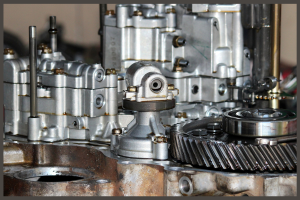
Are you experiencing problems with the transmission in your Ford? If so, it's essential to bring your vehicle in for transmission service as soon as possible. The transmission is an integral part of your car, and if not properly maintained, it can lead to costly repairs or even complete breakdowns. We'll discuss five key signs that your vehicle needs transmission repair from your Ford dealer. 1. The Check Engine Light Is On One of the most important signs that your Ford needs transmission service is if the check engine light is illuminated on your dashboard. While this could mean several things, this warning light will be the first indication if the transmission is malfunctioning. It is vital to have the check engine light checked out by a certified pro as soon as possible to ensure that your transmission is not in trouble. more 2. Your Car Is Slipping Gears If you experience sudden jerks or vibrations when shifting gears, it's likely an indication that something is wrong. This could be due to a lack of transmission fluid or a mechanical issue with the transmission itself. Additionally, if your car is having difficulty staying in gear, this could also be a sign that it needs repair. To test if this is the case, try accelerating slowly and gently. If you notice the car revving up but not accelerating, it could mean you have a slipping transmission. 3. You Hear Odd Noises You may notice a whining or humming noise when accelerating, or you may hear clunking, grinding, or even buzzing noises when you shift gears. If you hear any strange noises, it's important to get your vehicle checked out right away. It could indicate that there's something wrong with your transmission and that it needs to be repaired as soon as possible. 4. You're Experiencing Shifting Delays Delayed shifts can occur while driving or when your car is idling. This can happen when you shift from park to drive or attempt to accelerate. It's essential to have your Ford serviced if you are experiencing any shifting delays, as this could indicate an issue with your transmission that needs to be addressed. An experienced technician will be able to diagnose the problem and recommend the best course of action for getting your vehicle back into good working order. 5. Odd Burning Smells Worn clutch plates or a malfunctioning bearing or seal could cause burning smells. These parts can create heat, and that can result in burning smells. If you notice any strange odors coming from your car, you must get it checked out as soon as possible. It may be a sign of a serious transmission issue that needs to be addressed. If your Ford displays any of the above signs, it's time to bring your vehicle in for a transmission fix. Keeping your transmission well-maintained is important for ensuring safe and smooth operation. Visit Crown Ford Lynbrook if your Ford needs any repair.

Contact Us

Fill out this form below and we'll contact you shortly
*Required Fields